Bristol
Updated 28 September 2026Redcliffe
What’s On
Coming up in Redcliffe
Soonest first. Check the linked source for details before travelling.
No checked upcoming events are listed here yet.
Places to explore in and around Redcliffe
- Bathurst BasinAttractions & days out
- The FleeceArts, culture & venues
Redcliffe is an old district on the south side of Bristol city centre, set between the Floating Harbour and the New Cut of the River Avon. It takes its name from the red sandstone cliffs along the water. It is home to the church of St Mary Redcliffe and to Bristol Temple Meads station.
- Redcliffe, Bristol — Wikipedia · retrieved 28 Sept 2026
- Temple Church, Bristol — English Heritage · retrieved 28 Sept 2026
The town
About Redcliffe
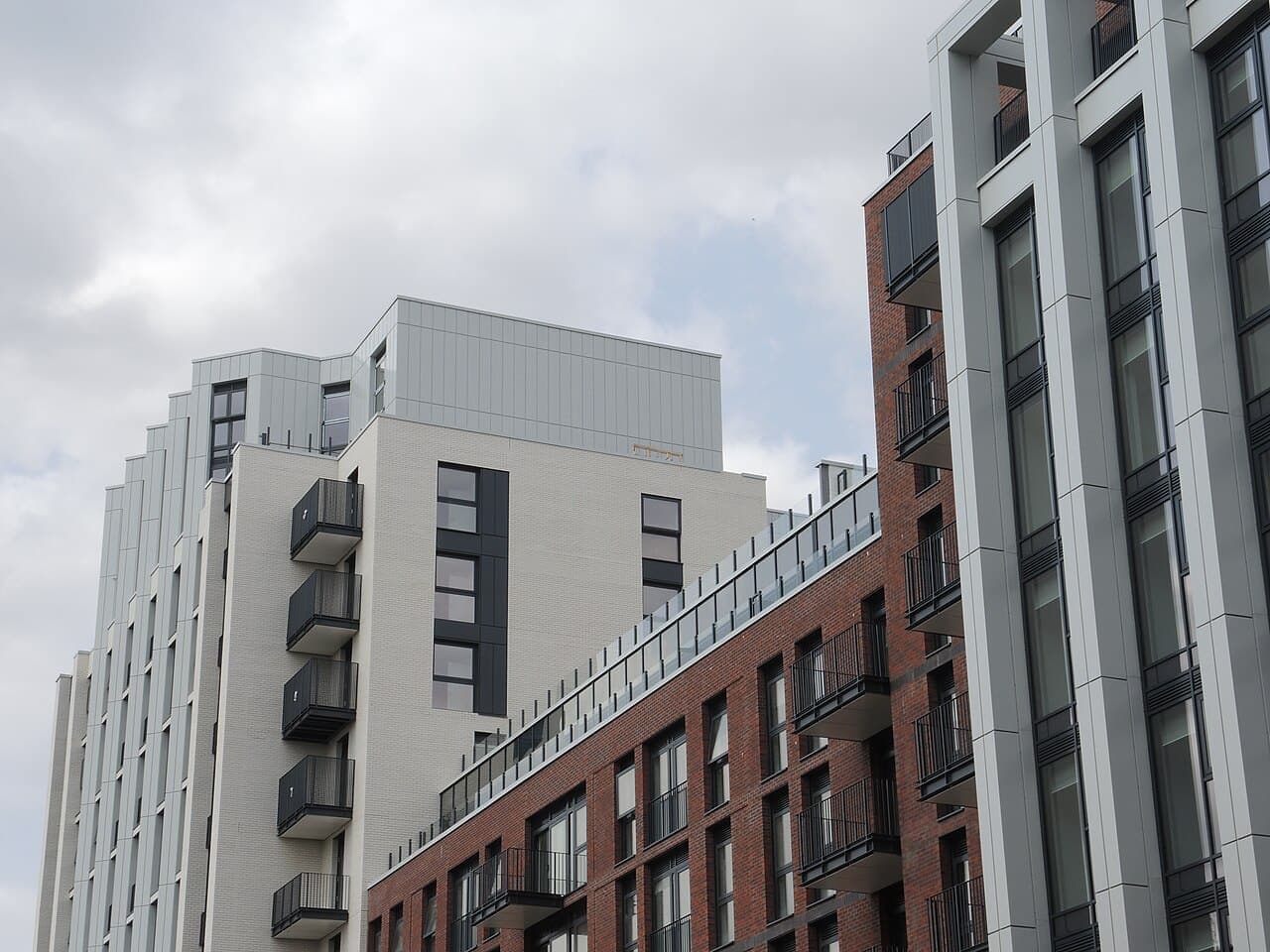
Redcliffe is an old district on the south side of Bristol city centre. Most of it falls within the Central ward, which also covers Broadmead and Queen Square. In the 2021 census, 93.2 per cent of homes in that ward were flats and 58.3 per cent were privately rented. The ward supports around 112,000 jobs, more than any other in the city.
Temple Quay Market, held in the square behind Temple Meads station, sells street food on Tuesdays and Thursdays from 12pm to 2pm. It began as a monthly market in 2012 and became twice weekly in 2022. The Fleece on St Thomas Street has staged live music since 1982, and its Grade II* listed building was first used as a sheep market. Thekla is a converted German cargo ship moored at The Grove, and it has been a music venue and club since 1984. The Seven Stars and the Ostrich Inn are pubs in the district.
Bathurst Basin is now a small marina with waterside homes. The Cabot Cruising Club has kept its lightvessel John Sebastian there since 1959. Temple Church, on Victoria Street, is run by English Heritage. Entry is free. The former graveyard is now a public garden. A volunteer BID Gardening Club meets once a month to tend the flower beds in Temple Gardens, beside the church. Bristol Temple Meads has 13 numbered platforms and is the city's oldest and largest railway station.
- Central (Bristol ward) — Wikipedia · retrieved 28 Sept 2026
- Temple Quay Market · retrieved 28 Sept 2026
- The Fleece Bristol · retrieved 28 Sept 2026
- Thekla Bristol · retrieved 28 Sept 2026
- Bathurst Basin — Wikipedia · retrieved 28 Sept 2026
- Ostrich Inn, Bristol — CAMRA WhatPub · retrieved 28 Sept 2026
- Find us — Seven Stars · retrieved 28 Sept 2026
- Temple Church, Bristol — English Heritage · retrieved 28 Sept 2026
- Bristol Temple Meads railway station — Wikipedia · retrieved 28 Sept 2026
- BID Gardening Club – Temple Gardens — Bristol BID · retrieved 28 Sept 2026
Looking back
A short history
The district's name refers to the red sandstone cliffs that once lined this stretch of the water. Redcliffe was originally part of the manor of Bedminster. It became part of Bristol in 1373, when the city was given county status. The Knights Templar established a preceptory here between the late 1120s and 1147 and built a round church. A rectangular church replaced it by the mid-fourteenth century, and a bell tower begun around 1390 began to lean while it was still being built. The Port Wall was built in the thirteenth century, and Portwall Lane follows its line.
St Mary Redcliffe is first recorded in 1158, and the present building dates from 1185 to 1872. Lightning damaged its spire in the 1440s, and the spire was rebuilt between 1870 and 1872. Beneath the district, red sandstone was dug out from the Middle Ages onwards to supply sand for glass and pottery, with most of the digging between the mid-seventeenth and early nineteenth centuries. In 1782 the plumber William Watts completed a tower near the church for making lead shot, and it stood until 1968.
Temple Meads station opened on 31 August 1840 as the western terminus of the Great Western Railway, and Brunel designed it. Victoria Street was cut through around 1870 to reach the station. German bombing gutted Temple Church on 24 November 1940, and the ruined shell was later stabilised and left standing. A bomb also fell on Redcliffe Hill on Good Friday 1941.
- Redcliffe, Bristol — Wikipedia · retrieved 28 Sept 2026
- Andrew Swift — In Search of Old Redcliffe — The Bristol Magazine · retrieved 28 Sept 2026
- History of Temple Church — English Heritage · retrieved 28 Sept 2026
- St Mary Redcliffe — Wikipedia · retrieved 28 Sept 2026
- Redcliffe Caves — Wikipedia · retrieved 28 Sept 2026
- Redcliffe Shot Tower — Wikipedia · retrieved 28 Sept 2026
- Bristol Temple Meads railway station — Wikipedia · retrieved 28 Sept 2026
Directory
Businesses and places in and around Redcliffe
Loading places in Redcliffe…
Listings from OpenStreetMap contributors (ODbL); food hygiene ratings from the Food Standards Agency (Open Government Licence). The finder above holds our own researched listings. Directory snapshot 9 October 2026.
Quick answers
Redcliffe FAQs
When is Temple Quay Market on?
Temple Quay Market runs every Tuesday and Thursday from 12pm to 2pm on Temple Back East, in the square behind Temple Meads station, and is mostly street-food stalls.
- Temple Quay Market · retrieved 28 Sept 2026
Can you go inside the Redcliffe Caves?
Not normally. The sandstone caves are owned by Bristol City Council and are not generally open, though there are occasional organised events.
- Redcliffe Caves — Wikipedia · retrieved 28 Sept 2026
Is Temple Church free to visit?
Yes. English Heritage runs the ruined church and its garden as a free site, open daily from 10am to 4pm between April and January.
- Temple Church, Bristol — English Heritage · retrieved 28 Sept 2026
How do I get to Redcliffe by train?
Bristol Temple Meads station is in Redcliffe. Great Western Railway and CrossCountry are its main operators, with services to places including London Paddington, Cardiff and Penzance.
- Bristol Temple Meads railway station — Wikipedia · retrieved 28 Sept 2026
- Redcliffe, Bristol — Wikipedia · retrieved 28 Sept 2026
Which Redcliffe pub was used by an anti-slavery campaigner?
The Seven Stars on Thomas Lane. In 1787 Thomas Clarkson used the pub and its landlord, William Thompson, as a base for his research into the slave trade.
- Seven Stars, Bristol — Wikipedia · retrieved 28 Sept 2026
- The Seven Stars Pub and Thomas Clarkson — Bristol Radical History Group · retrieved 28 Sept 2026
Which pub backs onto the Redcliffe Caves?
The Ostrich on Lower Guinea Street. The Redcliffe Caves lie behind the pub, and their sand was dug out for glass making.
- Cave inside the Ostrich pub — Discovering Bristol · retrieved 28 Sept 2026
For local businesses
Advertise to people who already live in Redcliffe
Labelled placements on this page, kept clearly apart from the listings.
Open the advertiser portal