Bristol
Updated 28 September 2026Barton Hill
What’s On
Coming up in Barton Hill
Soonest first. Check the linked source for details before travelling.
 CommunityIllustration
 CommunityIllustration
 CommunityIllustration
 CommunityIllustration
 CommunityIllustration
 FamilyIllustration
THU 26 NOV: Strengthening Families, Strengthening Communities
9.15am · Settlement Site
2 dates · 26 Nov–3 Dec
 FamilyIllustration
- CommunityIllustration
 FamilyIllustration
- CommunityIllustration
- CommunityIllustration
- CommunityIllustration
More events in Barton Hill →Showing the first 12 of 18 upcoming listings.
The dates on this page have passed. See later events in Barton Hill →
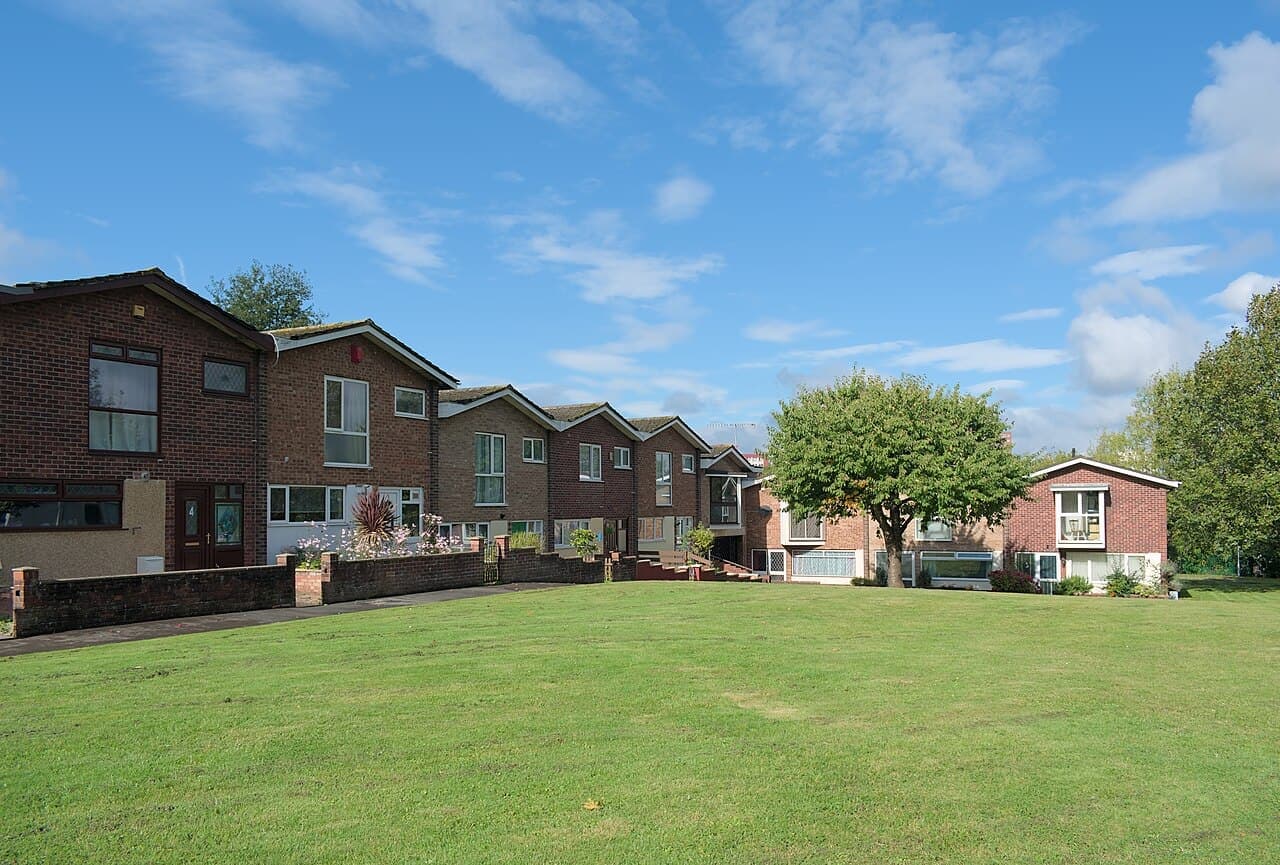
Barton Hill is an inner-city district of Bristol, lying just east of the city centre and Bristol Temple Meads station in the BS5 postcode area. It mixes housing, shops and industrial units, and is crossed by main roads, railway lines and the Feeder Canal that leads to Bristol Harbour. The Great Western Cotton Factory opened in Barton Hill in 1838 and closed in 1925. Today the district is best known for its post-war tower blocks, among them Barton House, the oldest tower block in Bristol.
- Barton Hill, Bristol — Wikipedia · retrieved 28 Sept 2026
- The Great Western Cotton Factory — Wikipedia · retrieved 28 Sept 2026
- Barton House, Bristol — Wikipedia · retrieved 28 Sept 2026
The town
About Barton Hill
Barton Hill is a residential and working district on the eastern edge of Bristol city centre, just beyond Temple Meads station. Its streets mix housing, retail and industrial premises, and are cut through by main roads, railway lines and the Feeder Canal. For council purposes it falls in Lawrence Hill ward, which also takes in St Philips Marsh, Temple Meads and parts of Easton. Lawrence Hill is one of the most deprived electoral wards in the south west region of England. Its large tower blocks stand out on the Bristol skyline.
Much of local life runs through Wellspring Settlement, a charity formed in 2020 when Wellspring Healthy Living Centre merged with Barton Hill Settlement. From its sites on Beam Street and Ducie Road it offers health and wellbeing sessions, advice and learning, family and youth services and a community hub, and it hires out rooms and a minibus. Travelling Light, a children's theatre company, is based at the Settlement. In Bristol Studio, an artist space at the Barton Hill Trading Estate, organised a free #BigUpBartonHill community day in Barton Hill Urban Park on 13 September 2025.
The district has a musical reputation: drum and bass artist Roni Size had a studio here, and in 1977 and 1978 Barton Hill Youth Centre put on punk and new wave bands including Siouxsie and the Banshees. Netham Park, a 38.9-acre council park between Barton Hill and Redfield, overlooks the Feeder Canal and the River Avon. Since late 2024 Barton Hill has been the trial area for the East Bristol Liveable Neighbourhood, the city's first such scheme, which uses bus gates and other measures to cut through traffic south of Church Road; some measures have since been changed or removed after feedback from residents.
- Barton Hill, Bristol — Wikipedia · retrieved 28 Sept 2026
- Lawrence Hill, Bristol — Wikipedia · retrieved 28 Sept 2026
- Wellspring Settlement — home page · retrieved 28 Sept 2026
- #BigUpBartonHill — In Bristol Studio · retrieved 28 Sept 2026
- Netham Park — Wikipedia · retrieved 28 Sept 2026
- East Bristol Liveable Neighbourhood pilot project — Bristol City Council · retrieved 28 Sept 2026
Looking back
A short history
The name comes from Barton, a manor just outside Bristol that appears in Domesday Book. The king held it in Saxon and early Norman times, when it was known as Barton Regis, and the sloping ground at its southern end, running down to St Philip's Marsh, became known as Barton Hill. The area was a rural retreat from the city until the early 19th century, when the digging of the Feeder Canal drew industry to the water.
The biggest arrival was the Great Western Cotton Factory, which opened in April 1838 as the only cotton mill in South West England. Skilled workers, many of them women, were brought down from the north to run the machinery, and some of the Bristol shareholders had made money from the slave trade or from compensation paid to slave owners after abolition. By 1849 about 2,000 people worked at the mill, yet the housing built for them was already in very poor condition, and a cholera outbreak that year killed 31 people. St Luke's Church was begun in 1843 and completed in 1850 to designs by S. T. Welch. A month-long strike in 1889 succeeded after dockers refused to handle Barton Hill cotton. The building that became Barton Hill Settlement was set up in 1911 as a university settlement, with Hilda Cashmore as its founder. The cotton company went into liquidation in 1925 and the main mill was demolished in 1968.
Wartime bombing destroyed many homes in Barton Hill and the neighbouring districts, and in the 1950s and 1960s a large council estate replaced the old streets, with nine tower blocks and two blocks of maisonettes. The first, Barton House, opened on 23 July 1958 and is the oldest tower block in Bristol. On 14 November 2023 the council evacuated it after structural faults were found; residents began returning from 20 February 2024 once safety works were complete.
- Barton Hill, Bristol — Wikipedia · retrieved 28 Sept 2026
- The Great Western Cotton Factory — Wikipedia · retrieved 28 Sept 2026
- Great Western Cotton Works, Barton Hill — Bristol Radical History Group · retrieved 28 Sept 2026
- Church of St Luke, Barton Hill — Church Crawler · retrieved 28 Sept 2026
- Hilda Cashmore: pioneering social worker who founded Barton Hill Settlement — The Bristol Cable · retrieved 28 Sept 2026
- Barton House, Bristol — Wikipedia · retrieved 28 Sept 2026
- Barton House evacuation — Bristol City Council · retrieved 28 Sept 2026
- Blue plaque for Hilda Cashmore — Bristol Civic Society · retrieved 28 Sept 2026
Directory
Businesses and places in and around Barton Hill
Loading places in Barton Hill…
Feeling adventurous? Climbing, karting, paintball and more in Bristol
Listings from OpenStreetMap contributors (ODbL); food hygiene ratings from the Food Standards Agency (Open Government Licence). The finder above holds our own researched listings. Directory snapshot 9 October 2026.
Quick answers
Barton Hill FAQs
What is the nearest railway station to Barton Hill?
Lawrence Hill station, on the Severn Beach Line, is 1 mile from Bristol Temple Meads. Great Western Railway manages the station.
- Lawrence Hill railway station — Wikipedia · retrieved 28 Sept 2026
- Barton Hill, Bristol — Wikipedia · retrieved 28 Sept 2026
What is Wellspring Settlement?
Wellspring Settlement was created in 2020 from two Barton Hill organisations, Wellspring Healthy Living Centre and Barton Hill Settlement. Its Ducie Road building began as a university settlement and now has a blue plaque to Hilda Cashmore.
- Wellspring Settlement — home page · retrieved 28 Sept 2026
- Blue plaque for Hilda Cashmore — Bristol Civic Society · retrieved 28 Sept 2026
Are people living in Barton House again?
Yes. The council evacuated the tower block on 14 November 2023 over safety concerns, and residents returned from 20 February 2024 after safety work was completed.
- Barton House evacuation — Bristol City Council · retrieved 28 Sept 2026
Is anything left of the Great Western Cotton Factory?
The main mill was demolished in 1968. Only remnants of the weaving sheds survive, on the Barton Hill Trading Estate in Cotton Mill Lane.
- The Great Western Cotton Factory — Wikipedia · retrieved 28 Sept 2026
Where is the nearest big park?
Netham Park, off Avonvale Road, is free and open at all times. It has a cricket pitch, a floodlit multi-use games area and a marked 500m route for walking or running, with a car park off Avonvale Road.
- Netham Park and Pavilion — Bristol City Council · retrieved 28 Sept 2026
For local businesses
Advertise to people who already live in Barton Hill
Labelled placements on this page, kept clearly apart from the listings.
Open the advertiser portal