Lincolnshire
Updated 30 September 2026Spalding
What’s On
Coming up in Spalding
Soonest first. Check the linked source for details before travelling.
- THU26NOV
South Holland Centre, Market Place
The tenor plays a close-up evening in Spalding on Thu 26 Nov, pairing renditions of well-known classics with behind-the-scenes stories from his career. One of the bigger touring names to visit the town centre venue this autumn.
- South Holland Centre — what’s on · retrieved 30 Sept 2026
 Stage & screenIllustration
 Stage & screenIllustration
 Stage & screenIllustration
No checked upcoming events are listed here yet.
Places to explore in and around Spalding
- Ayscoughfee Hall GardensParks & outdoors
- Chain Bridge ForgeAttractions & days out
- Sir Halley Stewart Playing FieldSport & fitness
Plan an evening out in Spalding
Choose an event, then check places to eat before or after it. Check the venue’s start time and the restaurant’s opening hours before booking; event tickets and table reservations are arranged separately with each provider.
For the South Holland Centre, check the official programme and ticket availability. Our place guides link to their sources so you can check menus and reservation details directly.
Spalding sits on the River Welland in South Holland, a fenland market town whose historic wealth came from wool and later from bulbs. Barges once loaded at the town quays; today the river still cuts the centre in two. Ayscoughfee Hall, a mid-15th-century house, keeps museum rooms and gardens on the east bank, and the tulip fields that fed the Flower Parade remain the district’s best-known seasonal spectacle.
- Local history and heritage — South Holland District Council · retrieved 30 Sept 2026
- History of Ayscoughfee Hall — South Holland District Council · retrieved 30 Sept 2026
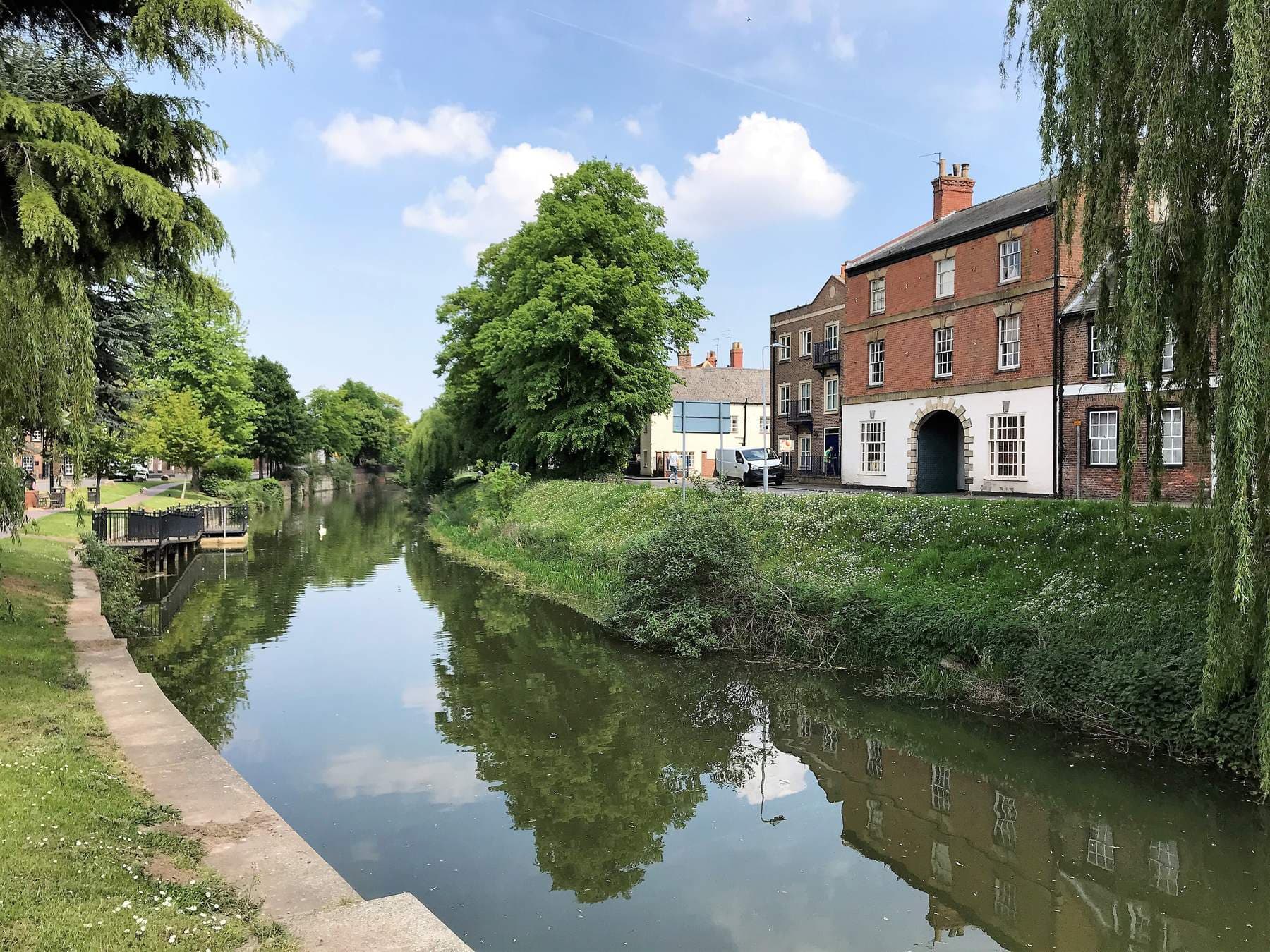
The town
About Spalding
Around 30,000 people live in Spalding, and a striking number of them work in food. The flat black soil of South Holland grows potatoes, peas, carrots and cut flowers on an industrial scale, and the town packs and processes much of it: Bakkavör, which absorbed the old Spalding firm Geest, and Greencore’s prepared-salads factory are among the biggest employers, drawing a workforce from across Britain and eastern Europe.
The centre keeps the rhythm of a proper working market town. Stalls trade on Tuesdays and Saturdays, with a farmers’ market on the first Saturday of each month, and the South Holland Centre on Market Place mixes touring shows, concerts and cinema. Georgian terraces line the Welland where it runs through the middle of town, and the walk along the riverbank to the fifteenth-century Ayscoughfee Hall and its gardens is the classic short loop; longer waymarked routes head out along the drains and channels into open fen.
Flowers are still the calling card. Springfields Festival Gardens, laid out in 1966 as the bulb industry’s showground, now sits alongside a designer outlet of some 55 stores that pulls shoppers from well beyond Lincolnshire, and each spring the surrounding fields turn briefly and spectacularly into colour. The Flower Parade — postponed for 2026 while its volunteer committee rebuilds the fund — remains the event the town is known for nationally, with organisers committed to bringing it back in 2027.
- Spalding, Lincolnshire — Wikipedia · retrieved 27 Aug 2026
- Springfields Designer Outlet & Leisure — Wikipedia · retrieved 27 Aug 2026
- Spalding — Visit Lincolnshire · retrieved 27 Aug 2026
- Residents debate future of Spalding Flower Parade after 2026 event is cancelled — LincsOnline · retrieved 27 Aug 2026
Looking back
A short history
The name comes from the Spaldingas, an Anglian tribe who settled this stretch of fen in the sixth century, though salt was being produced here as far back as the Roman period. By the Domesday survey of 1086 Spalding recorded 91 households, placing it among the larger settlements in England. A Benedictine priory, founded in 1015 by Thorold de Bokenhale, dominated the medieval town, and its officials built the parish church of St Mary and St Nicolas around 1284.
Ayscoughfee Hall, the brick house that still stands in its gardens on the east bank of the Welland, was built in the 1430s by Richard Alwyn. Maurice Johnson, born at the hall in 1688, founded the Spalding Gentlemen’s Society in 1710 — its collection is reputedly the country’s second-oldest museum. Spalding Grammar School was founded in 1588, and in the 1590s the town cut its first drains, the start of the long fenland drainage campaigns of the seventeenth century that turned the surrounding marsh into some of England’s richest farmland.
The Great Northern Railway reached the town in 1848, opening Spalding station that October. Flooding, a constant of fenland life, was finally tamed when the Coronation Channel opened in 1953 to carry the Welland’s excess water around the town. By then bulb growing had made Spalding famous: the Flower Parade of tulip-petalled floats first ran in 1959, drew more than 100,000 visitors in its heyday, ended in 2013, and was revived by Stephen Timewell in 2023.
- Spalding, Lincolnshire — Wikipedia · retrieved 27 Aug 2026
- Spalding history in a timeline — South Holland Life Heritage and Crafts · retrieved 27 Aug 2026
- Spalding railway station — Wikipedia · retrieved 27 Aug 2026
- Residents debate future of Spalding Flower Parade after 2026 event is cancelled — LincsOnline · retrieved 27 Aug 2026
In pictures
Spalding in pictures
Photographs of the town, each credited to its photographer under the licence shown.
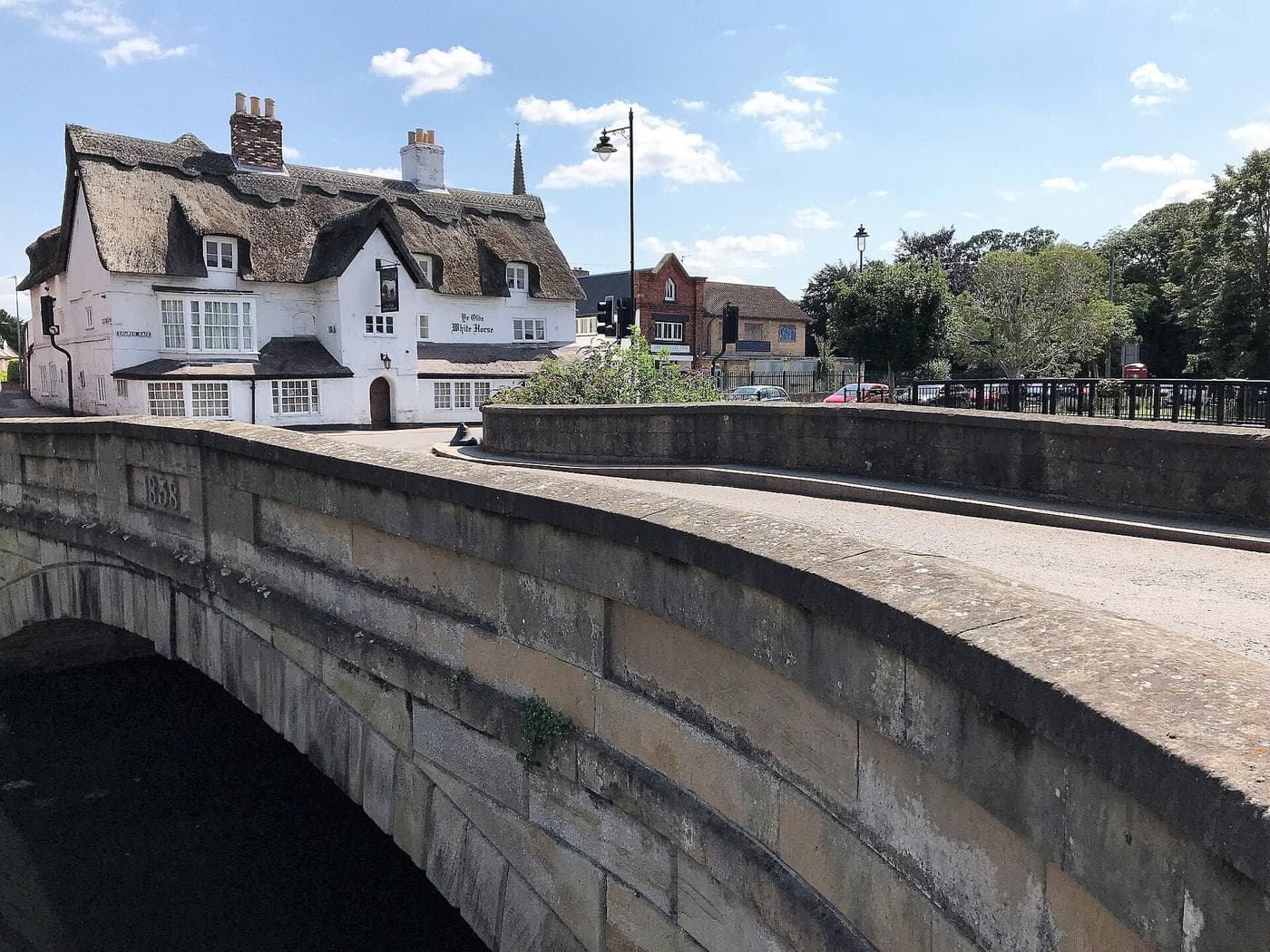
Ye Olde White Horse, the thatched pub beside Spalding’s town bridge.© Richard Humphrey · CC BY-SA 2.0 (resized) · Source 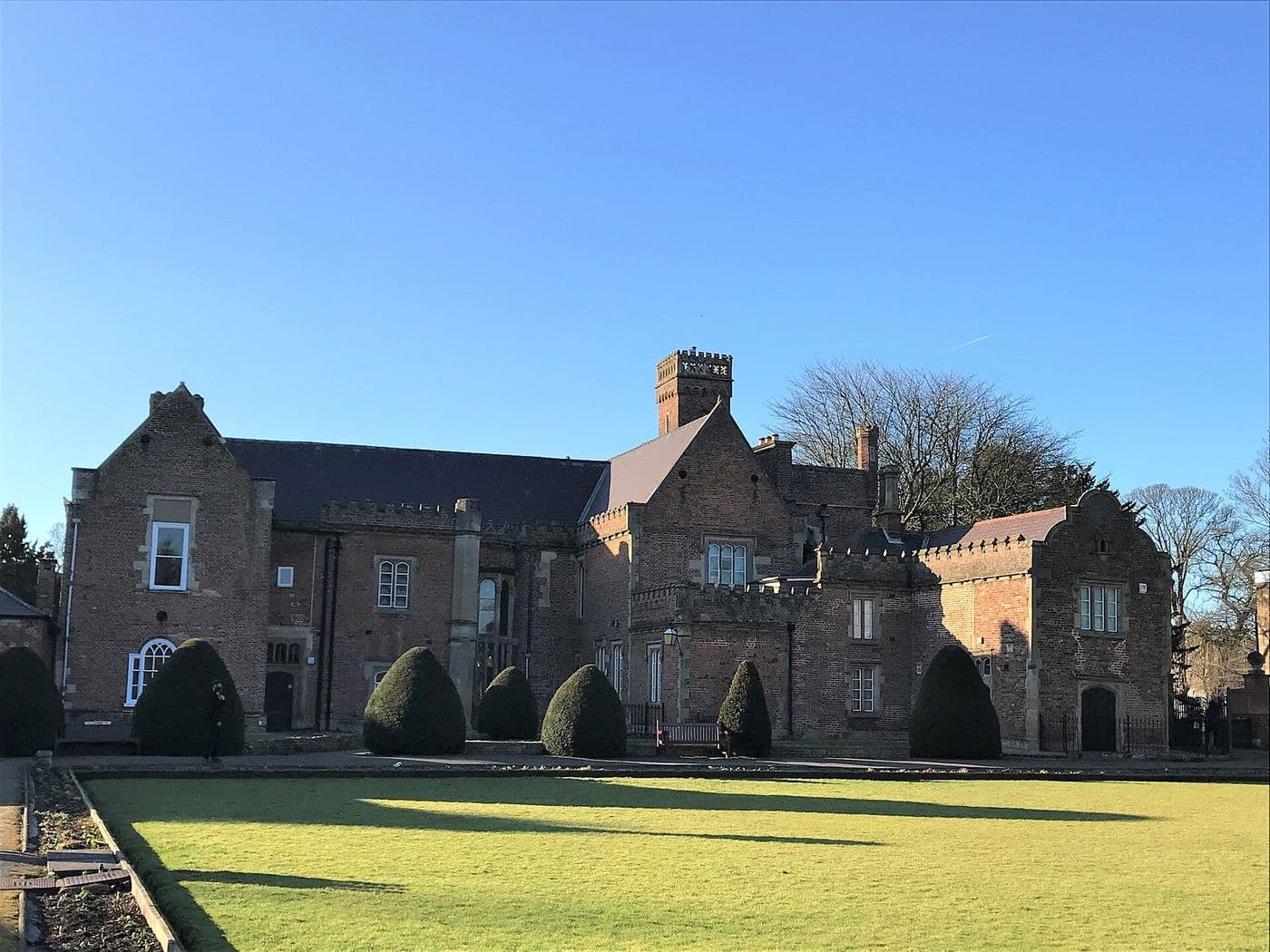
Ayscoughfee Hall, the medieval wool merchant’s house that is now Spalding’s museum.© Richard Humphrey · CC BY-SA 2.0 (resized) · Source 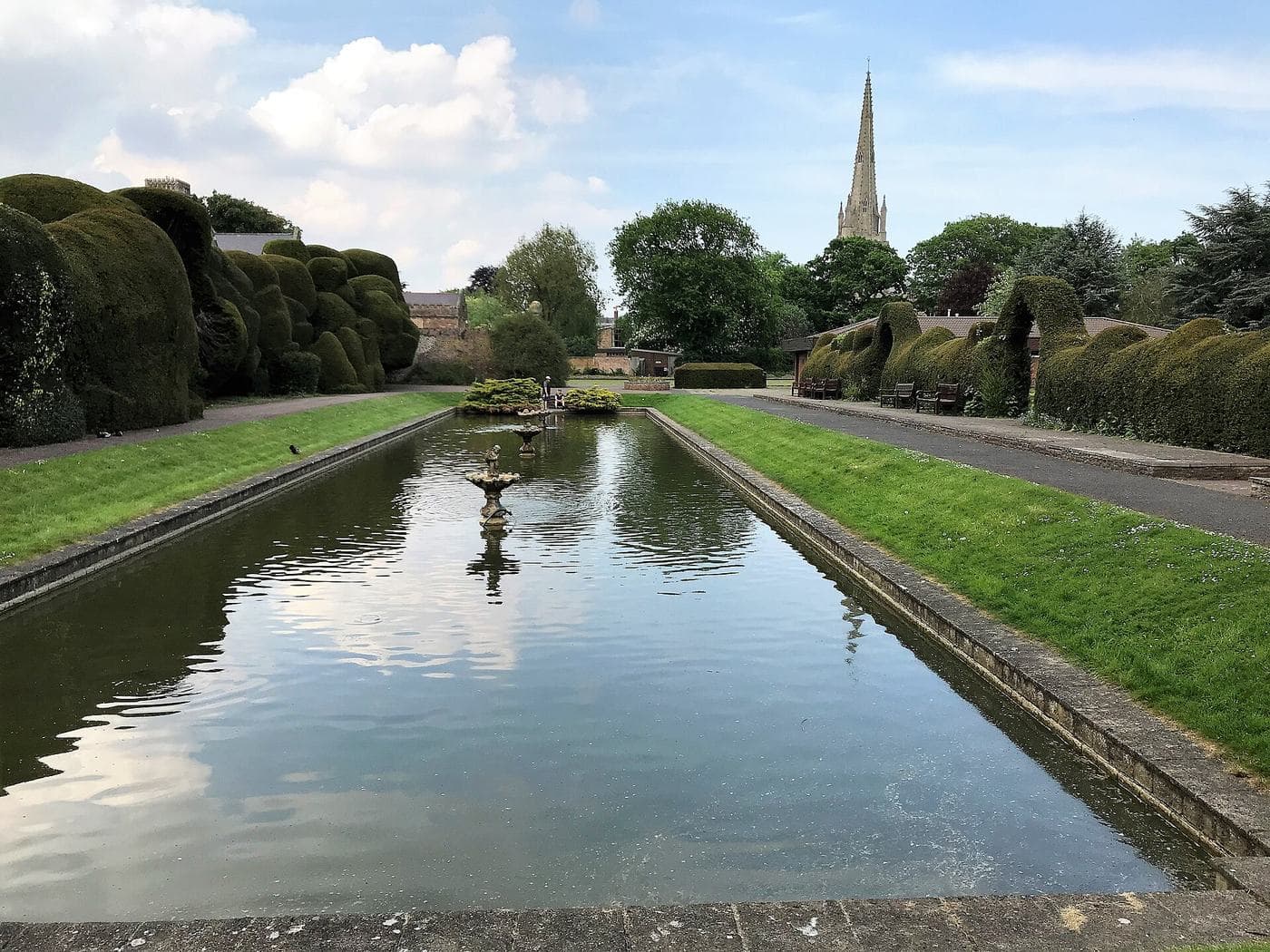
The ornamental pond in Ayscoughfee Gardens, with the parish church spire beyond.© Richard Humphrey · CC BY-SA 2.0 (resized) · Source 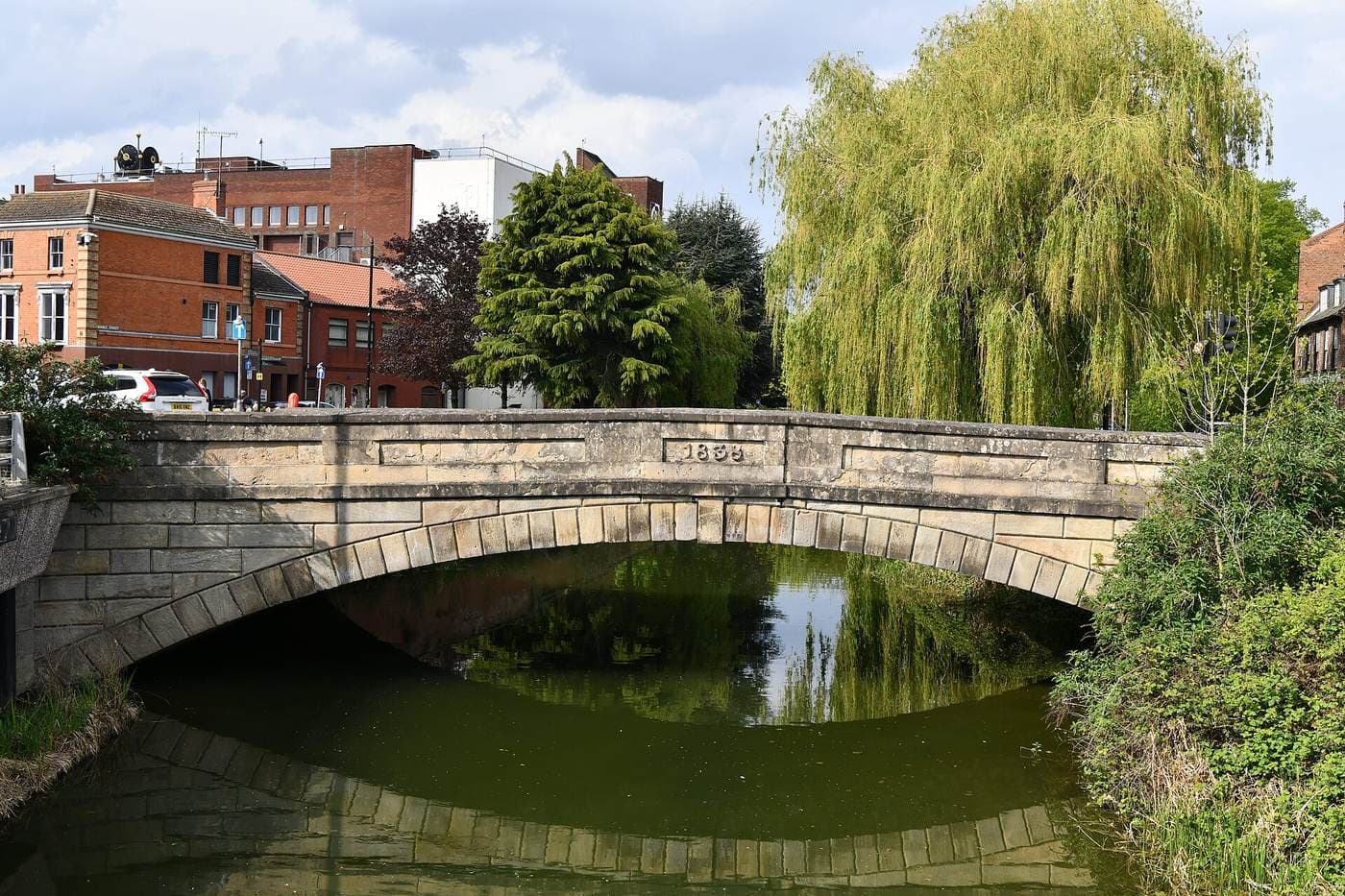
High Bridge, the 1838 stone arch over the Welland in the town centre.© Michael Garlick · CC BY-SA 2.0 (resized) · Source 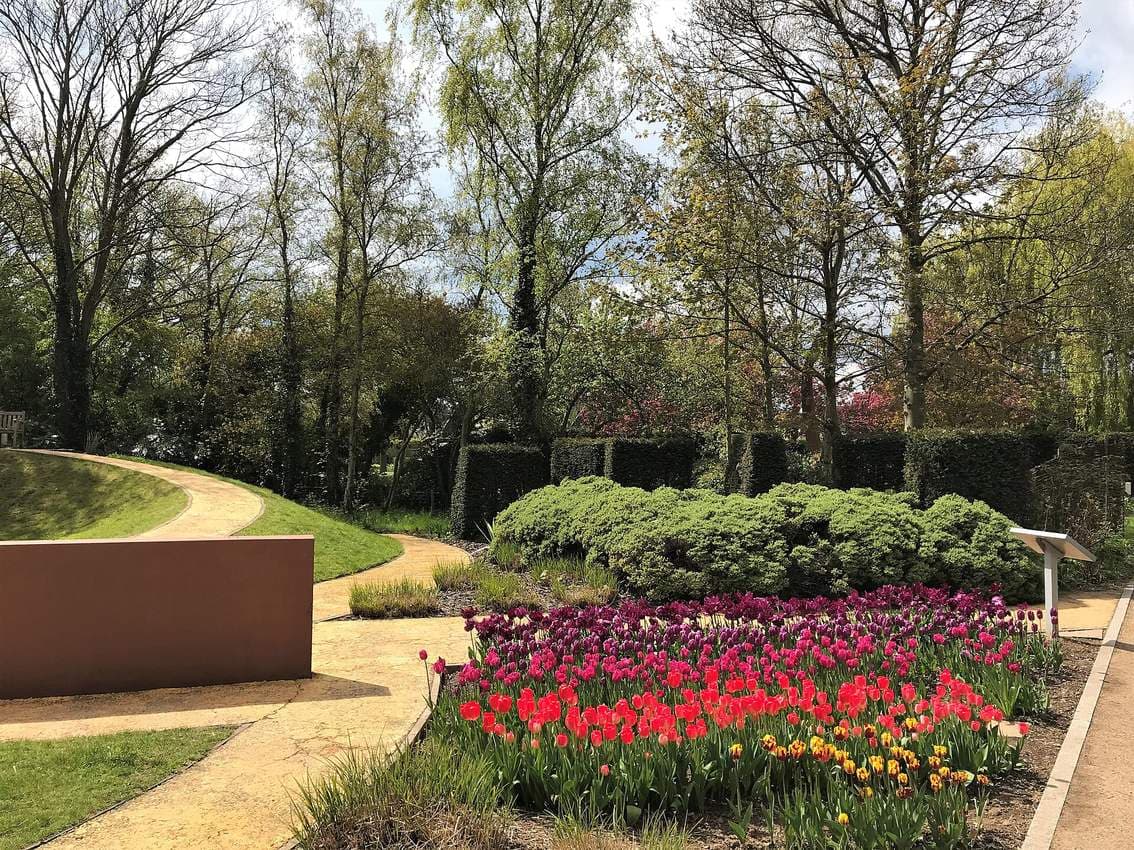
Tulips at Springfield Gardens, a nod to Spalding’s bulb-growing heritage.© Richard Humphrey · CC BY-SA 2.0 (resized) · Source 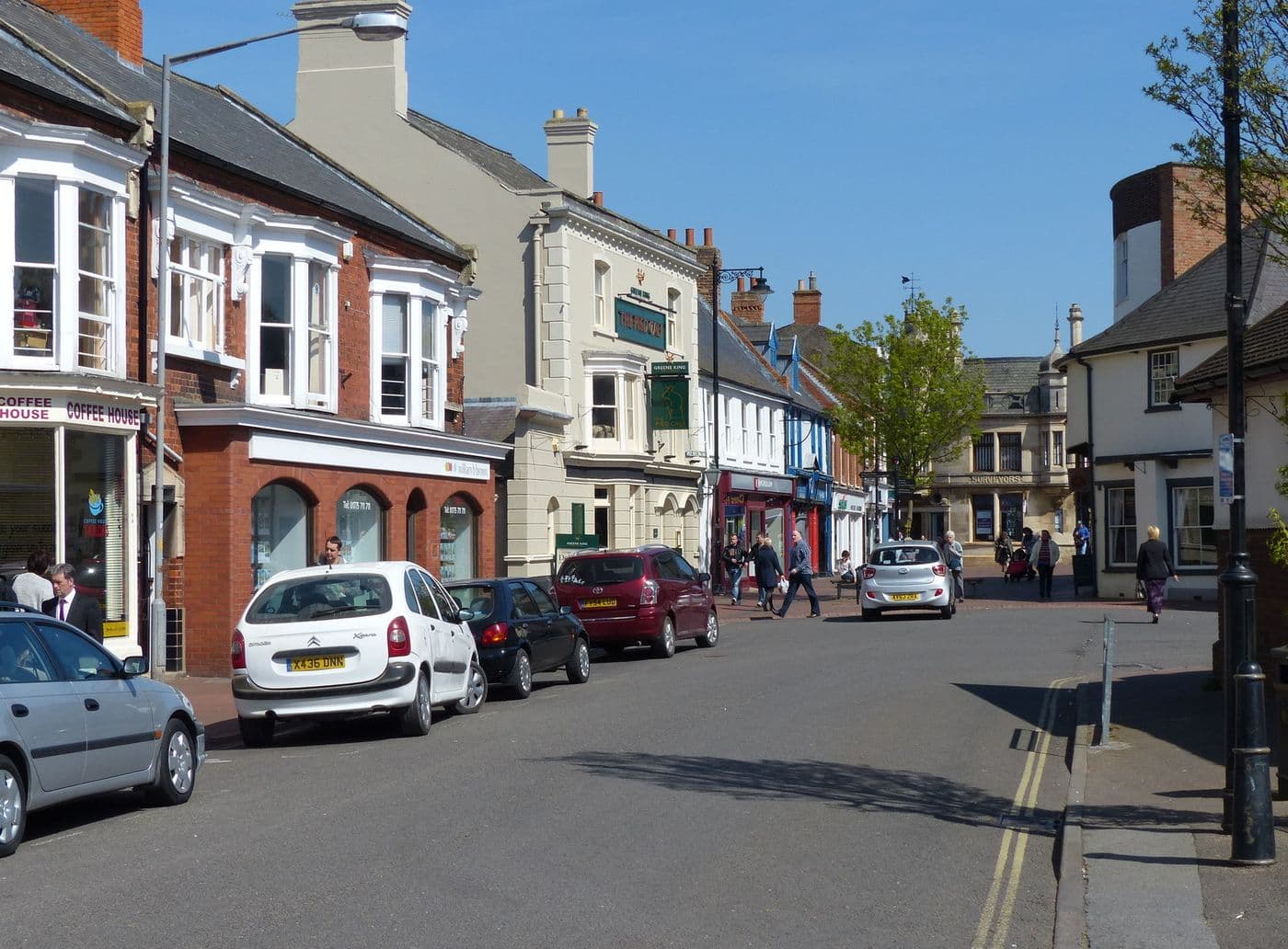
Sheep Market, one of Spalding’s historic market streets.© Mat Fascione · CC BY-SA 2.0 (resized) · Source


Directory
Businesses and places in and around Spalding
Loading places in Spalding…
Feeling adventurous? Climbing, karting, paintball and more in Lincolnshire
Listings from OpenStreetMap contributors (ODbL); food hygiene ratings from the Food Standards Agency (Open Government Licence). The finder above holds our own researched listings. Directory snapshot 6 October 2026.
Quick answers
Spalding FAQs
When is Spalding market?
Stalls trade in the town centre every Tuesday and Saturday from 7am to about 2pm, and on the first Saturday of each month a farmers’ market joins the regular traders.
- Spalding Outdoor Market — NMTF market listing · retrieved 27 Aug 2026
- Spalding, Lincolnshire — Wikipedia · retrieved 27 Aug 2026
Is the Spalding Flower Parade running in 2026?
No — the 2026 parade is postponed while the volunteer committee rebuilds its fund, and organisers have said they intend to bring it back in 2027. The parade first ran in 1959 and was revived in 2023.
- Residents debate future of Spalding Flower Parade after 2026 event is cancelled — LincsOnline · retrieved 27 Aug 2026
How do I get to Spalding by train?
Spalding station, open since 17 October 1848, sits on the Peterborough–Lincoln line with roughly hourly services south to Peterborough and north to Lincoln via Sleaford.
- Spalding railway station — Wikipedia · retrieved 27 Aug 2026
How many people live in Spalding?
The 2021 Census counted 30,556 residents in the Spalding built-up area.
- Spalding built-up area — City Population (ONS 2021 Census) · retrieved 27 Aug 2026
- Spalding, Lincolnshire — Wikipedia · retrieved 27 Aug 2026
For local businesses
Advertise to people who already live in Spalding
Labelled placements on this page, kept clearly apart from the listings.
Open the advertiser portal